
Employer Branding is not an HR-Hobby

Recruitment is not an HR issue; it is a positioning issue. It is not a campagne, it is the strategy.

ROOFS COLUMN- FROM THE SIDELINES

5/18/20263 min read

Employer branding is not an HR hobby,
but a growth strategy

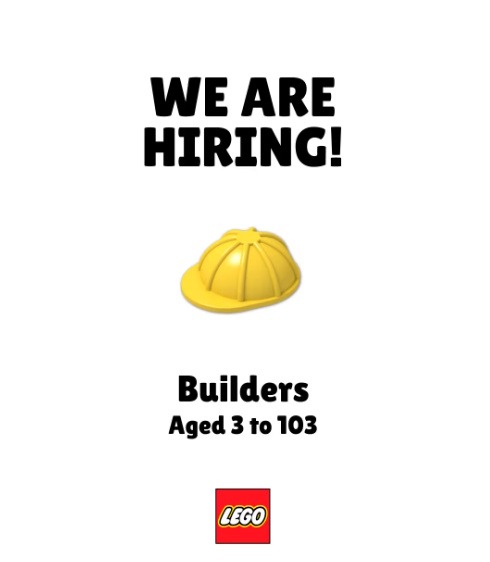
It may not be a direct employer branding campaign, but it is a great example of what it could look like. LEGO keeps it simple: everyone is welcome to join in. From toddlers to pensioners. โ€œHire to retireโ€! This is what it looks like when marketing helps shape and express people policy.

Now place this advertisement next to the average job vacancy in our sector. โ€œA motivated employee, five years of experience, no nine-to-five mentality.โ€ In other words: we are looking for someone who has already partly arrived, never complains, and preferably resembles the person who has just left.

And then we are surprised when we attract the same kind of candidates every time.

Define your strategy

Recruitment is not an HR issue; it is a positioning issue. Employer branding is not a campaign; it is your strategy.

The mistake many market players make is that they see โ€œbeing a good employerโ€ as something internal. In reality, it is marketing in its purest form: how attractive are you as a brand to work for?

I have said it before: the generation now entering the labour market was not raised on scarcity, but on freedom of choice. So no inflated promises, but transparency.

The trend in 2026 is clear: it is not the employer with the strongest digital presence that is most relevant, but the most human one. Technology helps, but empathy convinces. Humanity is no longer a soft skill; it is a hard competitive advantage.

Employer branding is therefore not about saying, โ€œwe are a fun company.โ€ It is about a much sharper question: why would someone choose to invest their time, energy and talent here?

And perhaps even more importantly: does that story still hold up on Monday morning at eight, when the weekend is still lingering and reality presents itself once again?
HIRE TO RETIRE: outdated or underestimated?

The concept of โ€œHire to Retireโ€ may sound to some like something from the analogue era. As if loyalty is something that only existed in the past. But that is exactly where we get it wrong.

The question is not whether people will stay for forty years. The question is whether you are building an environment in which they can stay. Where development feels natural. Where growth is visible. Where leaving is not an escape, but a conscious step.

Transparency around salary, roles and career progression, a trend that will only become stronger towards 2026, directly contributes to this. Not exactly thrilling, perhaps, but mature. And maturity is surprisingly attractive.

If you want to be heard today, you should have started yesterday

Then there is that classic reflex: you hire people when things get busy. When the order book fills up and planning starts to crack under pressure. Understandable, but strategically short-sighted. You do not build teams at peak moments, but in calmer times. In slower periods, you invest in people. So you are ready when things take off. Scaling up is not an emergency measure; it is forward thinking.

Those who only start recruiting when the water is already at their lips automatically choose speed over quality. And speed rarely delivers the people who structurally improve your organisation.

A leading trend report also writes about 2026: โ€œThe shift away from traditional recruitment methods is forcing organisations to look at people differently. No longer as a reactive HR task, but as a strategic marketing issue. Employer branding works ahead of time: you make yourself visible and attractive to talent before people are actively looking for a new job. That is exactly where the difference is made.โ€

In a market where everyone is shouting at the same time, the winner is the one who was heard earlier.

LEGO understands something that many organisations in our sector make unnecessarily complicated: attractive employment does not start with recruitment, but with imagination. LEGO does not promise a job for life, but says: you belong here for as long as it fits.

They do not wait until people are actively looking. They are already there: visible and recognisable.

Employer branding is therefore not about shouting louder, but about starting earlier. Companies that invest in clarity, direction and credibility are doing exactly what LEGO demonstrates: making it instantly clear who they are and who is welcome to feel at home there. Without vague job profiles or empty promises about โ€œendless flexibility.โ€

Precisely because the story rings true, they need to convince less.
And perhaps that is why they are remembered; even by people who are not looking for a job at all.